11 Best Hamstring Exercises for Stronger Legs
Stronger hamstrings start here, with 11 exercises you can do at home or the gym.

September 21, 2018 - Updated August 12, 2026
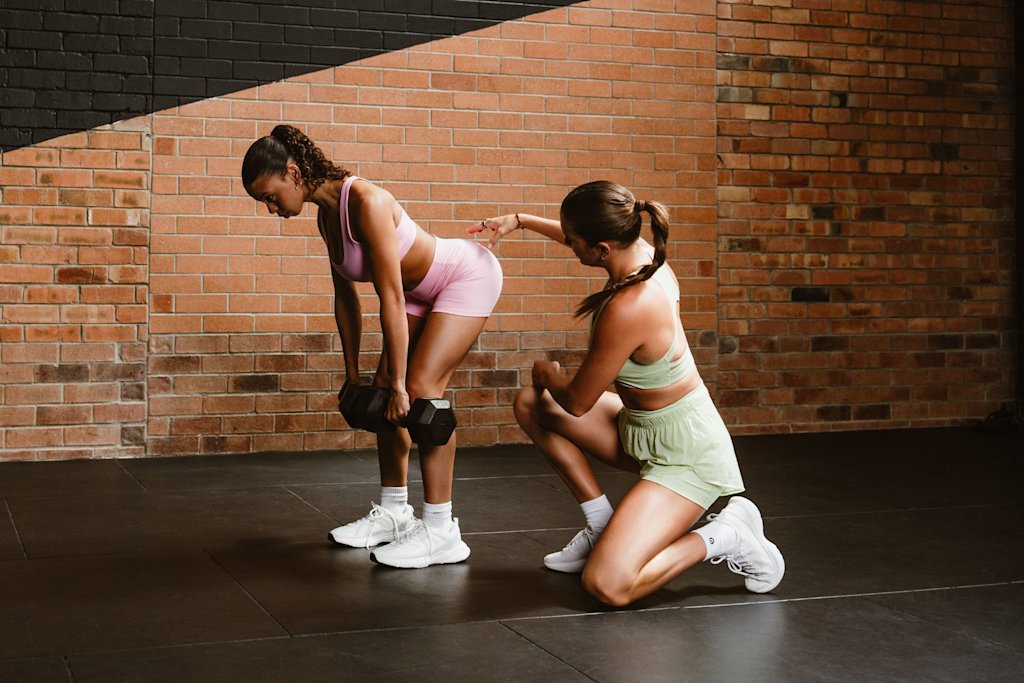
When people think about leg day, quads and glutes usually steal the spotlight. But your hamstrings play just as important a role in building lower-body strength, supporting your knees and hips, improving athletic performance and helping you move well every day.
Whether you're lifting weights, running, hiking or simply climbing stairs, strong hamstrings make a real difference. And you don't need an overly complicated routine to strengthen them. Below are 16 of the best hamstring exercises for home and gym use, plus tips for training them effectively.
What are your hamstrings, and why do they matter?
Your hamstrings are a group of three muscles (the semitendinosus, semimembranosus and biceps femoris) that run down the back of your thigh, from your hip to just below your knee.
They work every time you bend your knee, extend your hip or tilt your pelvis, which means they're involved in walking, running, jumping and lifting.
Because they cross both the hip and knee joints, your hamstrings play a unique role in stabilising your lower body during movement. They're also a key part of your entire posterior chain, which is all the muscles along the back of your body that generate power for lifting, sprinting and jumping. For most people, that's a lot of daily reps your hamstrings are quietly putting in without much credit.
Strong, flexible hamstrings can help improve your posture, balance and overall athletic performance, and they tend to lower your risk of strains and tears. They also help correct the muscle imbalances that build up when your quads and glutes do most of the work in your lower-body training. If you run, cycle or hike, you'll likely notice the difference in your stride, pedal stroke or endurance on hills too.
How do you build hamstring strength?
Like any muscle, your hamstrings respond to progressive overload. That just means gradually asking them to do a little more over time, whether that's more reps, heavier weight, less rest between sets or an extra session each week.
You don't need to overhaul your whole routine to see this work. A simple place to start is to pick two or three of the exercises below, track your reps or load each week, and nudge one variable up once the current version starts to feel manageable. That's really all progressive overload is: small, consistent increases that add up.
The best hamstring exercises
Some of these exercises need equipment or gym machines, but you definitely don't need a full gym to build hamstring strength. There are options to suit your set-up, whether you're working with just your bodyweight, free weights, or have access to a fully equipped gym.
Glute bridge
This is a great entry point for hamstring and glute strength, and it's easy to load up with a dumbbell or barbell across your hips once bodyweight feels too easy.
Lie flat on your back on a mat. Bend your knees and plant your feet hip-width apart, spine in a neutral position, arms resting by your sides. This is your starting position.
Exhale as you press your heels into the mat and squeeze your glutes to lift your hips until your body forms a straight line from chin to knee.
Inhale and lower back down to the starting position.
Single-leg glute bridge
The single-leg version adds a stability challenge and loads up one leg at a time without needing any extra equipment. When it starts to feel easy, you can rest a dumbbell across your hips for more resistance.
Lie on your back, bend your left knee and plant your foot on the mat. Extend your right leg out in front of you or up toward the ceiling, arms resting by your sides. This is your starting position.
Press your left heel down, squeeze your glutes and lift your hips until your body forms a straight line from chin to knee.
Lower back down to the starting position, then repeat on the other side.
Hamstring curl (stability ball or sliders)
This one looks simple but it's tougher than it looks and is a great alternative for a hamstring curl machine. Use a fitball, or socks/sliders on a hard floor if that's what you've got.
Lie on your back with your heels resting on the ball (or sliders), arms by your sides.
Raise your hips so your body forms a straight line from head to knee. This is your starting position.
Bend your knees to draw your heels in toward your glutes, keeping your hips lifted, then extend back out to the starting position.
Single-leg deadlift
This move requires balance and puts more load on one leg, so start with a light dumbbell (or no weight at all) until you're ready to go heavier or try two dumbbells.
Hold a light weight in your left hand, feet shoulder-width apart. This is your starting position.
Inhale, hinge forward from your hips and extend your right leg behind you as your torso lowers toward parallel with the floor. Keep your hips level and your head in line with your spine.
Exhale and push through your left heel to return to standing. Complete all reps on one side before switching.
Bulgarian split squat
A great single-leg move for hamstrings, glutes and quads. Start with bodyweight and add dumbbells once your balance feels solid.
Stand in front of a bench or chair, feet shoulder-width apart. Place your right foot behind you on the bench, and shuffle your left foot forward until you feel balanced. This is your starting position.
Inhale and bend both knees to roughly 90 degrees, keeping your front knee tracking over your toes.
Exhale and push through your left heel to return to standing.
Nordic curl
This is one of the most researched hamstring exercises out there. In a gym, you can perform these using a lat-pull machine or a GHD machine, but they're not essential. You basically just need something to lock your feet down. This could be gymnastics bars, a heavy barbell positioned low on the squat rack, a heavy low piece of furniture, or a partner holding your ankles.
Kneel on a mat with your ankles held firmly by a partner, or anchored under your barbell, machine or sturdy piece of furniture. Keep your body in a straight line from head to knees. This is your starting position.
Slowly lower your torso toward the floor, resisting with your hamstrings for as long as you can and keeping your hips extended throughout.
It's completely normal to need your hands to catch and push yourself back up, especially when you're starting out. Over time, aim to control more of the lowering phase with your hamstrings alone.
Stiff-leg deadlift
This stiff-legged variation keeps far more tension on your hamstrings than a conventional deadlift. You'll definitely feel it up the backs of your thighs. This exercise can be done with dumbbells, a kettlebell or a barbell.
Hold a dumbbell in each hand in front of your thighs, feet slightly wider than shoulder-width. This is your starting position.
Inhale and hinge from your hips only, letting the dumbbells run down your thighs and partway down your shins, chest proud. Keep only a very small bend in your knees.
Exhale, push through your heels and squeeze your glutes and hamstrings to return to standing.
20 seconds
Kettlebell swing
A hip-hinge power move that puts your hamstrings and glutes to work. No kettlebell? A dumbbell works too.
Hold a kettlebell in front of you, feet slightly wider than shoulder-width. This is your starting position.
Inhale, hinge forward from your hips and let the kettlebell swing back between your legs.
Exhale and drive your hips forward to swing the kettlebell up to shoulder height, powered by your glutes and hamstrings rather than your arms.
10 reps / 60 sec rest between sets
Barbell hip thrust
A bench-supported move that lets you load your glutes and hamstrings heavily and track your progress over time. If you don't have a barbell and plates, you can also rest a dumbbell over your hips.
Sit on the ground with your upper back against a bench, a barbell across your hips, knees bent and feet flat.
Exhale, press through your heels and squeeze your glutes to lift your hips until your body forms a straight line from shoulders to knees.
Inhale and lower back down without resting on the ground between reps.
Lying leg curl
The prone version isolates your hamstrings in a slightly different way, and it's worth rotating between the two.
Lie face down on the machine with your legs straight and the ankle pad resting just above your heels.
Exhale and bend your knees to curl your heels toward your glutes.
Inhale and extend back out to the starting position.
Cable hip extension
Cable machines aren't just for upper-body moves. This one is a simple, effective way to isolate your hamstrings and glutes.
Attach an ankle strap to a low cable pulley and stand facing away from the machine, one foot on either side of the pulley.
Hinge slightly forward from your hips, keeping a small bend in your knees. This is your starting position.
Exhale and drive your strapped leg back and up, squeezing your glute and hamstring at the top, then return with control.
Common questions about hamstring exercises
What's the most effective hamstring exercise?
There isn't one single "best" move. Hip-hinge exercises like deadlifts and Romanian deadlifts tend to load your hamstrings the most, while leg curls isolate them directly. For most people, a mix of exercises works better than relying on just one.
How often should you train your hamstrings?
Training your hamstrings two to three times a week (which could be part of a lower-body or full-body session, or a specific glutes-and-hamstrings day), with at least a day of rest between sessions, gives most people enough stimulus to build strength without overdoing it.
What are signs of weak hamstrings?
Weak hamstrings can show up as knee pain, lower back tightness, poor balance on single-leg moves, or a tendency to feel everything in your quads during squats and lunges. If any of that sounds familiar, it's a good sign to add more hamstring-focused work into your routine.
Does walking strengthen your hamstrings?
Walking does engage your hamstrings, particularly on hills or at a faster pace, but it's a lighter load than strength training. It can help maintain hamstring function, but it isn't enough on its own to build significant strength.
Where to go from here
You don't need to do all 10 of these exercises to feel the benefit. Pick two or three that suit your equipment and current fitness level, focus on good form over heavy weight, and build from there.
Whether you train at home or with a full range of gym equipment, remember to warm up before you start, cool down afterwards, and ease out any tightness with our go-to hamstring stretches.
Consistency with a few solid moves will always beat cycling through every exercise on this list. If you want structured hamstring and lower-body workouts built for you, the Sweat app has programs to match wherever you're starting from.
A more empowered you starts with Sweat, and our editorial team is here to bring you the latest fitness tips, trainer recommendations, wellbeing news, nutritional advice, nourishing recipes and free workouts.
* Disclaimer: This blog post is not intended to replace the advice of a medical professional. The above information should not be used to diagnose, treat, or prevent any disease or medical condition. Please consult your doctor before making any changes to your diet, sleep methods, daily activity, or fitness routine. Sweat assumes no responsibility for any personal injury or damage sustained by any recommendations, opinions, or advice given in this article.
Fitness