8 Of The Best Cool-Down Exercises To Finish Your Workout
You gotta stop skipping your cool-down! Here's a breakdown of what to do after your workout, how long it takes and eight easy stretches with helpful form tips.

January 18, 2024 - Updated October 6, 2026
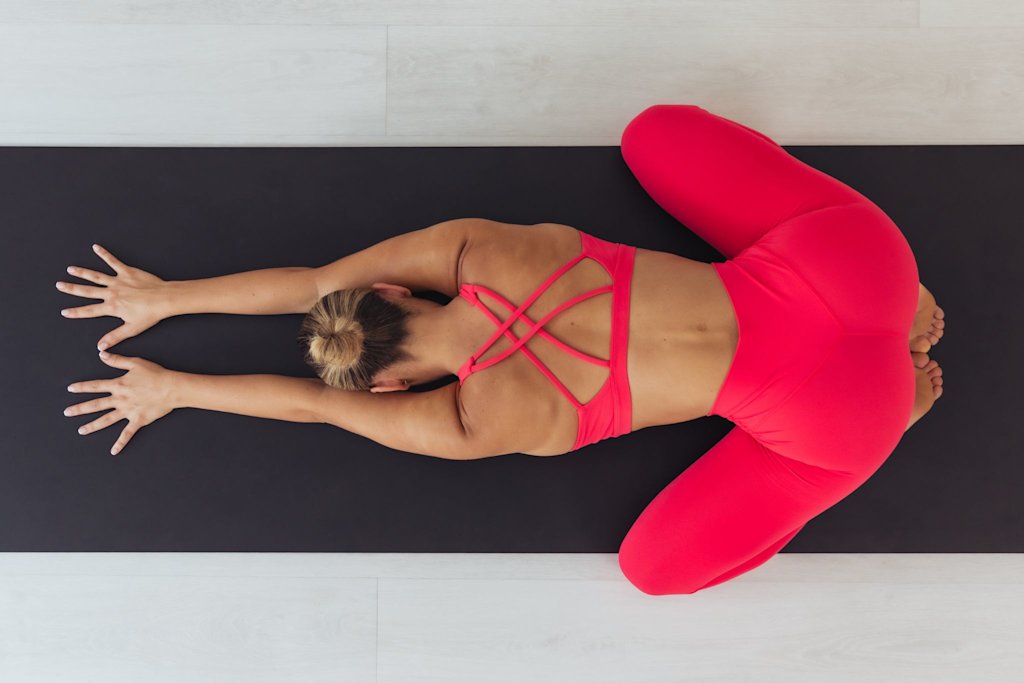
I've lost track of how many times I've skipped a cool-down after a workout, but I know I need to do better, but I also know I'm not going to do it unless it takes me 10 minutes max. Preferably closer to five. So I've pulled together our team's recommendations of exactly what to do to keep it brief but effective.
To be clear, a cool-down won't necessarily stop you from feeling sore the next day or accelerate your results if that's what you're hoping for. Research on active cool-downs and stretching shows little effect on next-day soreness. The main point of a cool-down is to bring your heart rate and breathing down gradually, so you don't feel funky and light-headed when you walk out the door. It's also a good time to do static stretching because your muscles are already warm.
If you're really tight for time and can't squeeze in both a warm-up and a cool-down, we'd sacrifice the cool-down every time. Your warm-up is far more important.
What is a cool-down, and what should it include?
A cool-down is a few minutes of easy movement after your workout that helps your heart rate, breathing and body temperature come back toward resting levels. A good one has two parts:
2-5 minutes of light cardio, such as walking or easy cycling, until your breathing feels close to normal
3-5 minutes of static stretching for the muscles you've just worked, holding each stretch for 10 to 30 seconds on each side
So depending on how much time you've got, that's just five to 10 minutes. If you train with the Sweat app, every workout already ends with a cool-down matched to the session you've just done, so you can tap start and simply follow along.
Why cool-down exercises are worth a few minutes of your time
A cool-down basically helps your heart rate, blood pressure and breathing return to normal gradually, according to the Mayo Clinic. This matters more after your hard sessions. The American Heart Association notes that stopping intense exercise like HIIT or heavy lifting too suddenly can leave you dizzy or light-headed as your heart rate and blood pressure drop quickly.
Because you're already warm, it's also a great time to add stretching or foam rolling to work on flexibility and mobility (which most of us don't do enough of).
If you finish an intense workout feeling a bit wired, a cool-down can also be a nice way to cultivate some calm energy and take a moment to breathe before you move on with your day.
And again, if you're still sore the next day, that's normal. Adding a cool-down won't fix that. Our guides to DOMS and muscle recovery cover what helps!

Short on time? Warm up first, cool down second
If you only have time for one, always choose the warm-up. It prepares your muscles and joints for the work ahead, reduces your risk of injury and helps you get more out of the session. We'd love you to do both, but the warm-up matters more.
If you've only got a couple of minutes for your cool-down, prioritise the walking. Bringing your heart rate down gradually is the main job, especially after HIIT or heavy lifting. Then use whatever time is left for some stretches that cover the most ground:
2 to 3 minutes: easy walking until your breathing settles
2 minutes: world's greatest stretch (30 seconds each side), then child's pose and forward fold (30 seconds each). If you trained one area especially hard, swap in a stretch that targets it, like the figure four stretch after a glute-heavy leg day.
And if even five minutes isn't realistic, a little is still better than nothing:
Lunch-break workout and a meeting in 10 minutes? Walk to the shower or your desk at an easy pace, then do one or two stretches while you wait for the kettle.
Kids interrupting your home workout? Two minutes of walking around the house and a child's pose on the living room floor counts!
8 of the best cool-down exercises
These stretches all work several muscle groups at once to make a short cool-down as effective as possible. Hold each one for 10 to 30 seconds (on both sides for one-sided stretches). Go to the point where you feel a strong stretch without pain, keep breathing slowly, and avoid bouncing.
World's greatest stretch
Step your right foot forward into a deep lunge and place both hands on the floor inside your right foot. Lower your back knee to the floor if you need to. Drop your right elbow toward the inside of your right foot, then rotate your chest open and reach your right arm up toward the ceiling, following your hand with your eyes. Return your hand to the floor and repeat a few times before switching sides. You'll also find a step-by-step guide to the world's greatest stretch in our exercise library.
Muscles worked: hip flexors, glutes, hamstrings, upper back, chest and shoulders
Form tip: let the rotation come from your upper back rather than forcing your arm higher.
To go deeper: keep your back knee lifted and straighten your front leg between rotations to add a hamstring stretch.
Child's pose
Kneel on the floor with your big toes touching and your knees hip-width apart or wider. Sit your hips back toward your heels, then walk your hands forward and rest your forehead on the floor (or a cushion).
Muscles worked: lower back, hips, lats and shoulders
Form tip: let your belly relax down between your thighs and take slow, deep breaths into your back.
To make it easier: place a pillow between your hips and heels if they don't reach.
To go deeper: walk both hands over to one side to stretch along the side of your body.
Downward dog
Start on your hands and knees with your hands slightly in front of your shoulders. Tuck your toes and lift your hips up and back so your body forms an upside-down V. Press the floor away with your hands and let your head hang between your arms.
Muscles worked: hamstrings, calves, back, shoulders and arms
Form tip: bend your knees as much as you need to keep your back long. Your heels don't need to touch the floor.
To go deeper: pedal your feet, bending one knee and pressing the other heel down, to work into each calf.
Cobra
Lie on your stomach with your legs straight behind you. Place your forearms on the floor with your elbows under your shoulders and gently lift your chest. Keep your hips on the floor and draw your shoulders down, away from your ears.
Muscles worked: abs, chest, front of the shoulders and hip flexors
Form tip: think about lengthening forward through the top of your head rather than crunching back into your lower back.
To go deeper: move your hands under your shoulders and press up until your arms are straight, as long as your lower back feels comfortable.
Supine twist
Lie on your back with your legs straight. Draw your right knee into your chest, then use your left hand to guide it across your body toward the floor on your left. Stretch your right arm out to the side and turn your head to look at it if that's comfortable for your neck.
Muscles worked: lower back, glutes, obliques and chest
Form tip: keep both shoulders heavy on the floor. It's fine if your knee doesn't touch the ground.
To make it easier: rest your knee on a pillow or rolled-up towel.
Forward fold
Stand with your feet hip-width apart and knees softly bent. Hinge forward from your hips and let your upper body hang toward the floor, with your hands resting on your shins, ankles or the floor, wherever they reach.
Muscles worked: hamstrings, calves and lower back
Form tip: bend your knees as much as you need to. The stretch should be in the back of your legs, not your lower back.
To go deeper: hold opposite elbows and let your upper body hang heavy, gently swaying side to side.
Hip flexor stretch
Kneel on your right knee (with a cushion underneath if you're on a hard floor) and place your left foot flat in front of you. Squeeze your right glute and tuck your tailbone slightly under, then shift your weight forward until you feel a stretch at the front of your right hip.
Muscles worked: hip flexors, quads and groin
Form tip: keep your upper body tall rather than leaning forward. Squeezing your back glute makes a small movement feel like a big stretch.
To go deeper: reach your right arm overhead and lean slightly to the left. This one's especially good if you sit at a desk all day.
Figure four stretch
Lie on your back with your knees bent and feet flat. Cross your right ankle over your left knee, then thread your hands behind your left thigh and gently pull it toward your chest.
Muscles worked: glutes, outer hips and lower back
Form tip: flex your right foot to protect your knee, and keep your head and shoulders relaxed on the floor.
To make it easier: keep your left foot on the floor and gently press your right knee away from you.
Focus on the cool-down you'll actually do!
A cool-down won't make you less sore tomorrow, and it doesn't need to be long. What it does is help your body slow down gradually and give you a few minutes to stretch while you're warm. Walk it out, pick two or three stretches from this list, and you're done.
If you'd rather not plan it yourself, every workout in the Sweat app ends with a cool-down built around the session you've just finished, and you can try it out with your 7-day free trial.
Erin is a writer and editor at Sweat with years of experience in women's publishing, the fitness industry, media and tech. She's passionate about the power of movement, and you can often find her on a yoga mat, a hike, a dance floor, in the ocean or the gym.
* Disclaimer: This blog post is not intended to replace the advice of a medical professional. The above information should not be used to diagnose, treat, or prevent any disease or medical condition. Please consult your doctor before making any changes to your diet, sleep methods, daily activity, or fitness routine. Sweat assumes no responsibility for any personal injury or damage sustained by any recommendations, opinions, or advice given in this article.
Fitness